Buying new construction
How to Buy a Central Austin Home That's Still Under Construction
Buying a central Austin home before it's finished follows a different path than a resale. Here's the process step by step, from finding the home to the final walkthrough and closing.
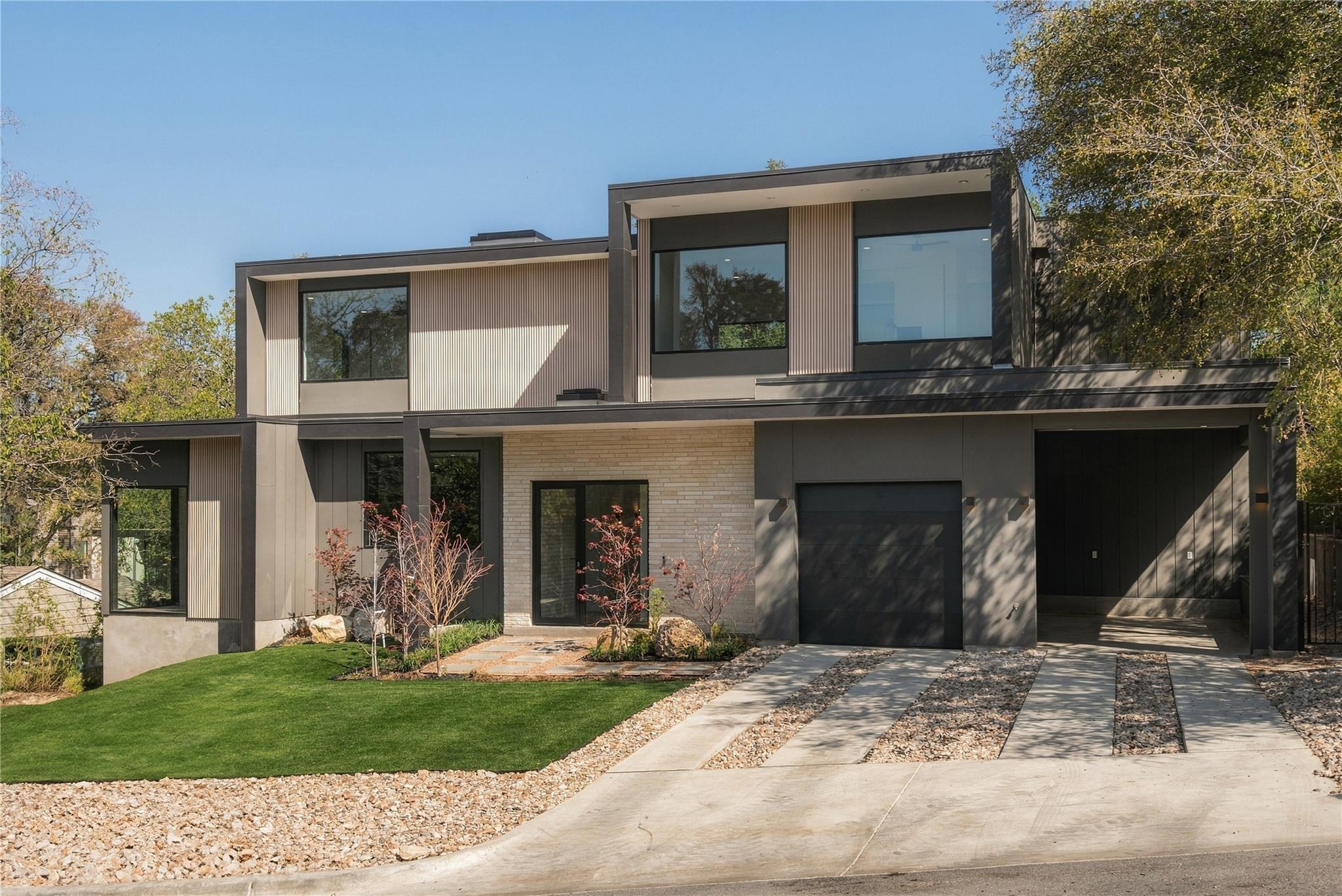
Buying a home that's still under construction means signing a contract before the house is finished and closing once it's complete. Along the way you'll usually choose some finishes, inspect the house at a few stages, and walk it with the builder before closing. The process takes longer than buying a resale, but you get a say in the home while it's being built.
Here's how it works in central Austin, where most new homes are built one or two at a time by local builders.
1. Find the home
Homes under construction show up in a few places. Some are listed on the MLS while they're still being framed. Others sell before they're ever listed, through builders' own contacts or programs like Next Neighbor. Because infill homes are spread across many neighborhoods, it helps to know which builders are active where. Our post on finding and touring new construction covers the search, and touring a home before it's finished covers what you can see on site.
2. The contract
In Texas, homes that aren't finished at signing are often sold on the Texas Real Estate Commission's New Home Contract (Incomplete Construction), which is written for a home the builder will complete before closing. Some builders use their own contract or add their own addenda instead. Either way, read the parts that are specific to new construction closely:
- The plans and specifications the home will be built to
- The estimated completion date, and what happens if it moves
- How finish selections and upgrades are priced and paid for
- Earnest money, and whether any deposit for upgrades is refundable
- Your right to inspect during construction
- The warranty the builder provides
Your own agent can help you understand the terms and negotiate them.
3. Financing
Most buyers get a mortgage for a home under construction the same way they would for a finished home, with a loan that closes when the house is complete. The difference is timing: rate locks may need to cover a longer stretch, and the appraisal happens near the end. We went deeper on this in financing a pre-sale versus a finished home.
4. Selections
How much you can choose depends on how far along the house is when you sign. Early in the build you may be able to pick flooring, tile, countertops, cabinets, fixtures, and paint. Later, many of those choices are already made. Builders set deadlines for each decision so the schedule doesn't slip, and changes after a deadline can cost more or not be possible.
5. Inspections along the way
A new home still benefits from an independent inspection, and buying during construction lets you inspect at stages you can't see later. Common points are before the foundation is poured, before the drywall goes up, and at completion. Make sure your contract allows these visits, and schedule them with the builder. Our post on warranties and inspections covers what each one looks for.
6. Walkthrough and closing
Near the end, you'll walk the finished home with the builder and make a list of items to fix, often called a punch list. The builder works through it before closing, or agrees in writing to finish specific items after. Closing happens at a title company once the home is complete and the City has done its final inspection.
After you move in, the builder's warranty takes over. Many buyers schedule a second inspection shortly before the first-year warranty ends to catch anything that has come up.
The time from contract to closing depends on how far along the house is when you sign. A home bought at the framing stage may close a few months later; one bought before the foundation is poured will take longer. Our post on how long it takes to build a new home in central Austin has the full picture.
See the new homes for sale now in central Austin, including ones still under construction, or join Next Neighbor to hear about new homes early, often before they're listed.