Builders
How to Check Out an Infill Builder Before You Buy in Central Austin
Texas doesn't license home builders, so the checking is up to you. Here's how to vet a small central Austin infill builder: records, references, finished homes, and the questions to ask.
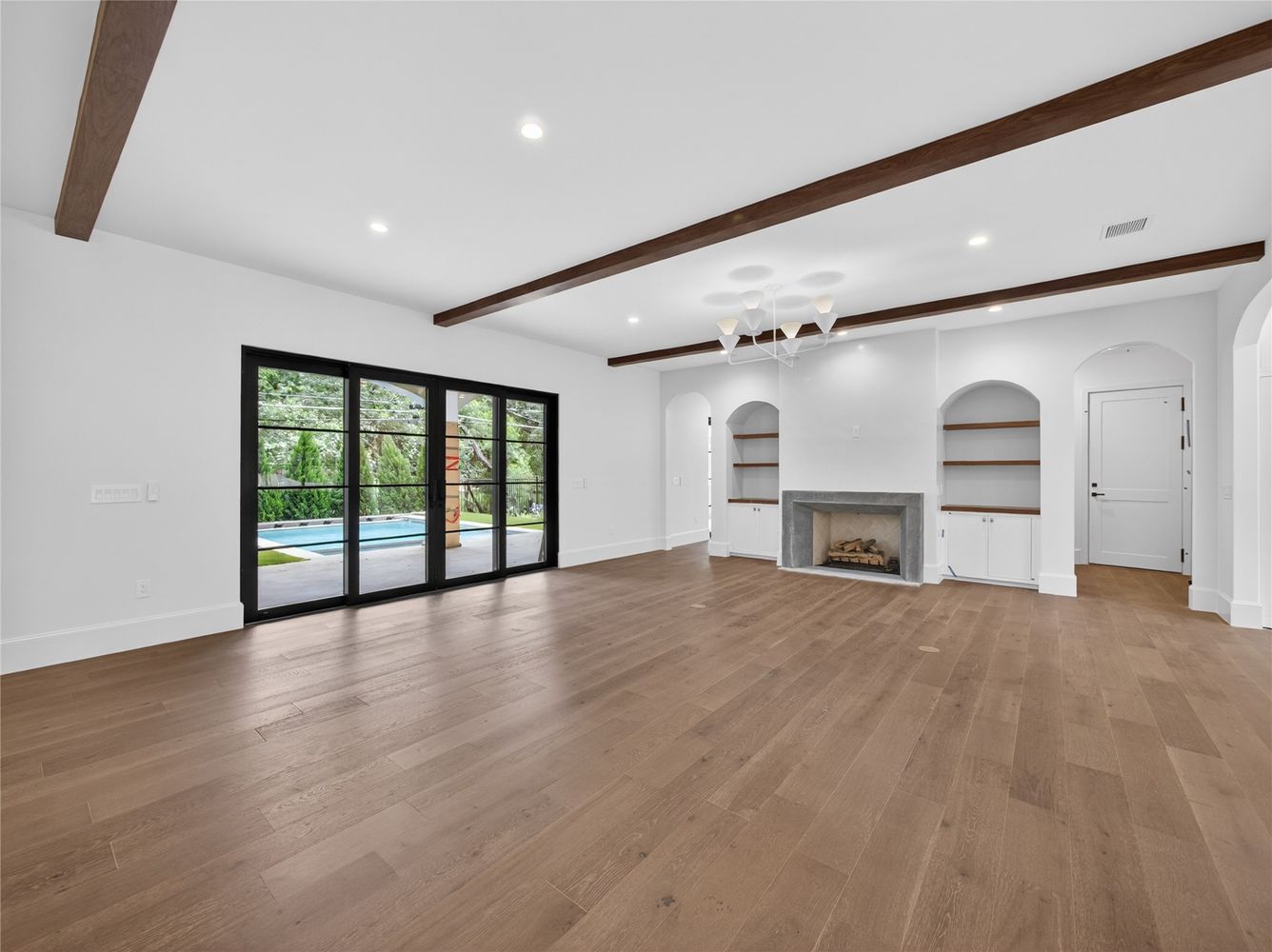
Most new homes in central Austin are built by small and mid-size infill builders, and in Texas nobody licenses them. The state's builder registration program ended in 2009, so there's no license to look up and no agency keeping score. That leaves the checking to you, and the good news is that most of it can be done in an afternoon with public records, a few phone calls, and a walk through a home the builder finished a while ago.
We've already written about who the most active infill builders are. This post is about what to do once you have a name.
Start with the permit record
Every new home in Austin needs City permits, and the City publishes them. The issued construction permits dataset on the City's open data portal lists each permit with the contractor, address, work description, square footage, and issue date. Search the builder's company name and you'll see how many homes they've permitted, where, and over how many years.
What you're looking for is a track record that matches what the builder tells you. A builder who says they've been doing this for a decade should have permits going back a decade. A builder with three permits total isn't necessarily a problem, but it means you're relying more on references and less on history.
The same data shows whether the company name on the permit matches the company name on your contract. Infill builders often use a different entity for each project. That's common and usually fine, but you want to know which entity is making promises to you and which one backs the warranty.
Walk through a home they finished two years ago
A brand-new home looks good on the day it's listed. The useful question is how it looks after two summers. Ask the builder for the addresses of homes they finished a year or two back, then ask whether any of those owners would take a call.
When you talk to a past buyer, keep the questions simple. Did the house finish on time? What broke in the first year, and how fast did the builder fix it? Would you buy from them again? Listen for how the builder handled problems, because every new home has some. A builder who answered the phone and sent someone out is worth more than one who built a perfect house but disappeared after closing.
Read the warranty before you fall for the kitchen
Since the state doesn't require a standard warranty, builders write their own, and they vary a lot. Ask for the warranty document before you make an offer, not at closing. Look for three things: what's covered in the first year, how long structural coverage runs, and who backs it. Some builders carry a third-party structural warranty that survives even if the company closes. Others back it themselves. Our post on warranties and inspections goes through what's typical.
Questions to ask a small builder
A conversation with the builder tells you a lot, and small builders are usually the ones answering. A few questions worth asking:
- Who is my point of contact during the build, and after closing?
- Which trades do you use for foundation, framing, plumbing, electrical and HVAC, and how long have you worked with them?
- Can I bring my own inspector before the foundation pour, before drywall, and at the end?
- What's included in the price, and what's an allowance or an upgrade?
- If the house is under construction, what's the schedule, and how will you tell me if it slips?
- What happens to my deposit if the home doesn't finish, or if I can't close?
Good answers are specific. A builder who welcomes your inspector, names their trades without hesitating, and hands you a written list of what's standard is showing you how they work. A builder who gets vague about any of those is showing you something too.
Where reviews help, and where they don't
Online reviews of small builders are thin. Many infill builders finish a handful of homes a year, and most buyers never write anything. A builder with two reviews isn't hiding, they're just small. Treat reviews as one input, weigh the permit record and the reference calls more heavily, and if a review describes a pattern (missed deadlines, slow warranty work), ask the builder about it directly.
Also check whether the builder is a member of the local home builders association and whether there are any judgments or liens recorded against the company in Travis County records. Neither is a guarantee either way, but both are easy to look up.
What a good infill builder looks like
The builders who do well in central Austin tend to share a few traits. They've built in the same neighborhoods for years. Their past buyers pick up the phone. They know Austin's tree rules, the HOME code, and the deed restrictions on the lot, because they've dealt with them before. And they treat your inspector as a second set of eyes rather than an insult.
If you'd like help checking out a builder, or a second opinion on a contract, that's part of what we do. Browse the new homes for sale in central Austin, or join First Look to hear about new homes as soon as we know about them, often before they're listed.