Buying new construction
Do Infill Builders Offer Incentives? Financing a New Central Austin Home
Small infill builders rarely advertise rate buydowns the way suburban builders do, but they do negotiate. How financing a central Austin new home works, what incentives to expect, and where the room usually is.
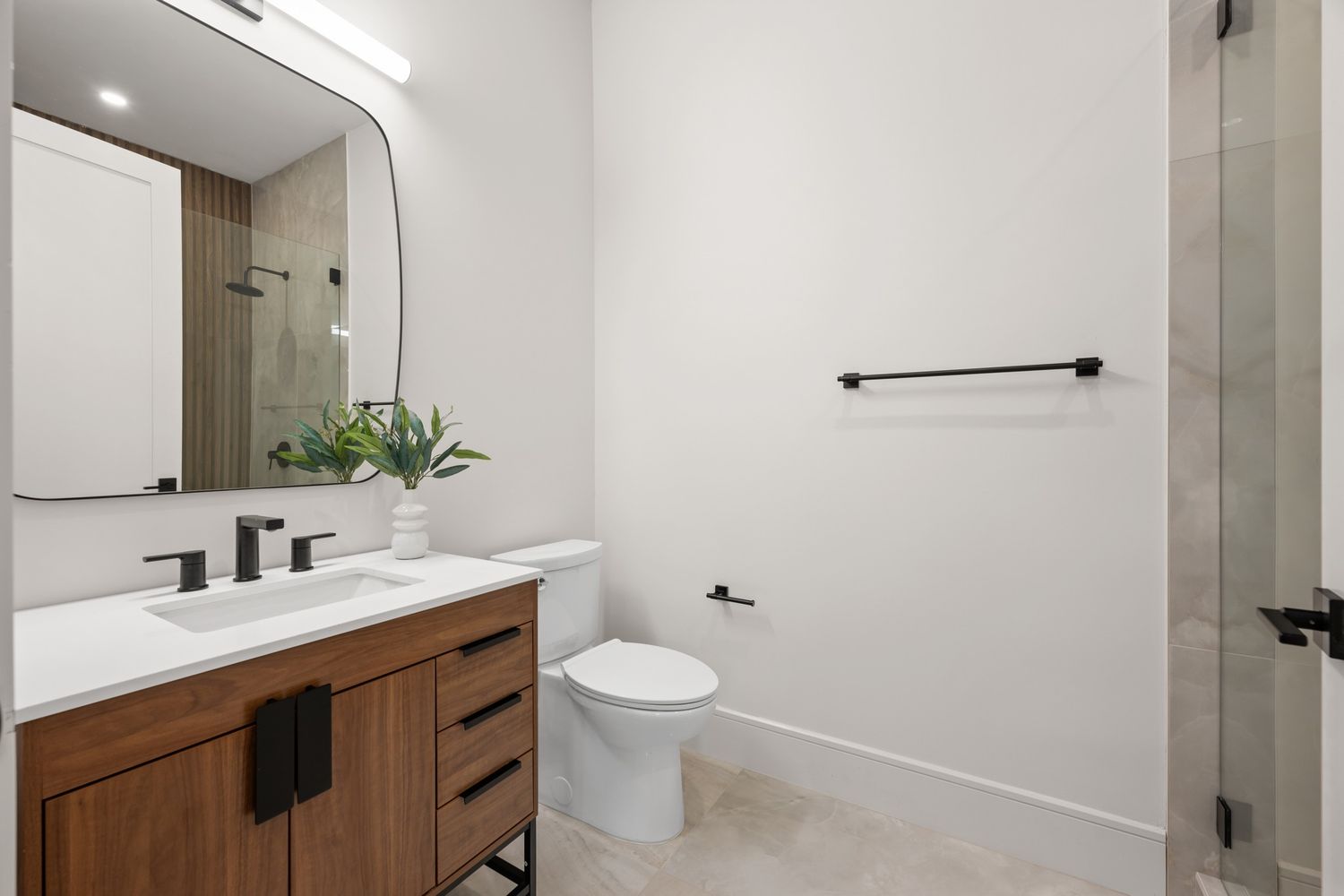
Financing a new home in central Austin usually means an ordinary mortgage, the same one you'd use for an older house. What's different is who you're buying from. Most central Austin new homes are built by small infill builders who own one lot at a time, and they don't run the kind of incentive programs the big suburban builders advertise. They don't have an in-house lender, and they rarely post a rate buydown on a billboard. What they do have is a house they need to sell and carrying costs on it every month, and that's where the negotiation lives.
This post covers how the financing works, what incentives are realistic, and what's typically negotiable with a small builder.
How financing a finished new home works
If the home is complete when you go under contract, the process looks like any other purchase. You get pre-approved, you make an offer, your lender orders an appraisal, and you close in roughly a month. Conventional and jumbo loans are the norm at central Austin price points. If the home is one of two or three on a lot under a condo regime, tell your lender up front, since condo financing has a few extra steps and not every loan program treats a small regime the same way.
Buying before the home is finished changes the timing more than the loan. You're still getting a regular mortgage at the end, but you may wait months to close, your rate lock has to cover that gap, and the appraisal happens near completion. We cover that in detail in financing a pre-sale versus a finished home.
What incentives small builders do and don't offer
Large production builders in the suburbs often advertise below-market rates through their own mortgage companies, paid for by building the cost into the price of the home. Infill builders generally can't do that. They build a few homes a year, they finance each one with a construction loan, and their margin lives in the sale price.
What you're more likely to see from an infill builder:
- A price reduction. The simplest incentive, and the one most small builders reach for first, especially on a home that's been finished and listed for a while.
- Closing cost credits. A credit toward your closing costs or prepaids, which you can use to buy down your rate with your own lender if you choose.
- Finish upgrades at cost or included. On a home still under construction, builders can often include an upgrade (a better appliance package, a fence, a finished-out closet) more cheaply than they can cut the price.
- A lender relationship, not a lender. Some builders have a lender they've worked with who knows their contracts and timelines. That's useful, but it's not a captive lender with a subsidized rate, and you should still compare.
Rate buydowns are possible with any lender. A permanent buydown means paying points at closing for a lower rate for the life of the loan. A temporary buydown lowers the payment for the first year or two and then steps up. Either can be funded with a seller credit, so if a builder offers a credit, ask your lender what it would buy.
Can you negotiate with a small builder?
Yes, and often more than with a large one, because the person you're negotiating with is the one who owns the house. A few things shape how much room there is:
- Whether the home is finished. A finished home is costing the builder interest, taxes, insurance, and utilities every month it sits. The longer it's been listed, the more that matters.
- Whether it's the last one. On a two-home or three-home lot, the last unsold home is the one the builder most wants gone, because the construction loan often isn't paid off until it closes.
- Time of year. Builders with homes finishing in late fall tend to be more flexible than builders listing in March.
- What else is on the market. If three similar new homes are for sale within a few blocks, that's your comparison, and the builder knows it.
What tends to move: price, closing credits, included upgrades, and sometimes the closing date. What tends not to move: structural changes on a finished home, and anything that would require re-permitting.
How to approach it
Get pre-approved with a lender who has closed on new construction and on condo-regime homes in Austin, so there are no surprises at underwriting. Ask the builder what's included and what's an upgrade before you talk price. If the builder offers a credit, ask your lender to show you the payment with a buydown and without. And read the warranty and, if there is one, the condo declaration before you sign, since neither is negotiable after closing.
Then make an offer that reflects what the house is worth to you, backed by what similar new homes nearby have sold for. Small builders respond to a clear, financed offer with a clean timeline. That's often worth more to them than a slightly higher number from a buyer who isn't ready.
See the new homes for sale in central Austin, or join First Look to hear about new homes as soon as we know about them, often before they're listed.