Buying new construction
New Construction in Rollingwood: What to Know Before You Buy
Rollingwood is its own small city between Zilker Park and West Lake Hills, with its own zoning and permits. Here's what that means for new homes there, and what to check before you buy.
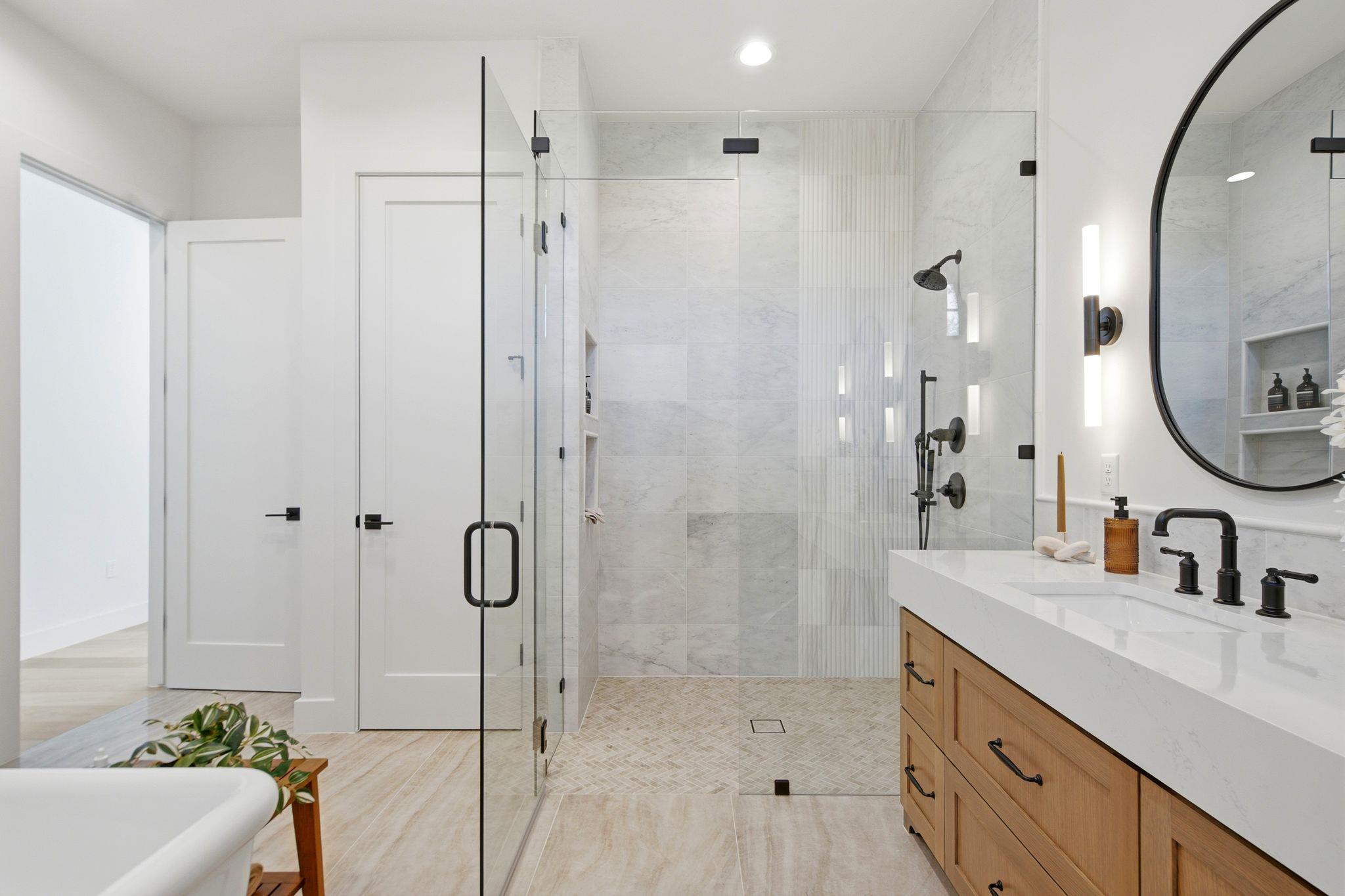
New homes in Rollingwood are going up the same way they are across central Austin: an original house reaches the end of its run, and a new one takes its place on the same lot. The big difference is that Rollingwood is its own city. It has its own zoning code and its own permits, and Austin's lot rules don't apply.
That shapes what gets built, how long it takes, and what you should check before you buy. Here's what to know.
Rollingwood is its own city
Rollingwood is a small city in 78746, between Zilker Park and MoPac on the east and West Lake Hills on the west, with Bee Cave Road running through it. The Hatley brothers began laying out its streets in 1946, it incorporated as a village in 1955, and it became the City of Rollingwood in 1963.
Today the city is fully built out. There's almost no vacant land, so new homes come from replacing older houses. Our Rollingwood guide covers the history, streets and places in more detail.
One home per lot
This is the biggest difference from Austin. Austin's HOME code changes allow up to three homes on most single-family lots, but they don't apply in Rollingwood. Rollingwood's zoning code requires each residential lot to be at least 15,000 square feet and allows one main building per lot, plus one accessory building of up to 500 square feet.
The City's residential FAQ lists minimum setbacks of 30 feet in front, 20 feet in back and 10 feet on each side, with at least 25 feet combined on the two sides. Corner lots have different side setbacks.
In practice, that means a new Rollingwood home is almost always a single house on its own lot, with real yard around it. You won't find the two- and three-home lots that are becoming common inside Austin.
Bigger homes since the sewer arrived
For decades, Rollingwood's houses relied on septic tanks, which kept the originals small. Sewer lines arrived in 2002. Since then, new homes can be much larger than the 1950s and 1960s houses they replace, and many lean toward glass and clean lines beside the older masonry homes.
Permits go through Rollingwood
New homes here are permitted by the City of Rollingwood, not the City of Austin. A few things work differently:
- The City's application asks builders to give written notice of a new home permit application to owners of property within 250 feet.
- Surveys for new construction have to tie into the City's own sewer manhole reference network.
- Posted construction hours on active sites are 7 a.m. to 7 p.m., Monday through Friday.
The City of Rollingwood posts its residential construction checklists and FAQ on its website if you want the details. For a home still under construction, ask the builder where it stands in Rollingwood's review and inspections, since that's what sets the closing date.
Schools and getting around
Rollingwood is in Eanes ISD. The district's SchoolSearch map shows which of its elementary and middle schools serves each address, and Westlake High School is the district's high school. Attendance zones can change, so confirm them for a specific address with Eanes ISD.
Rollingwood withdrew from Capital Metro in 1988, so there's no bus service in the city. MoPac runs along the east side, and downtown is about 10 minutes by car.
What to check before you buy
- The lot size and setbacks, and what they allow if you'd want a pool, guest house or addition later.
- The title and any private deed restrictions.
- Drainage, especially on sloped lots, and what the builder did to meet the City's requirements.
- Where the home stands in permits and inspections, if it isn't finished.
Rollingwood sits right next to West Lake Hills, another small city with its own rules. Our West Lake Hills guide covers that one.
See the new homes for sale now, read the Rollingwood guide, or join First Look to hear about new Rollingwood homes as soon as we know about them, often before they're listed.