Buying new construction
New Construction or Resale on the Same Central Austin Street? What You Get and Give Up
On an established central Austin street you can often choose between a new home and a 1950s original a few doors down. Here's what each gives you, what each costs you, and how to decide.
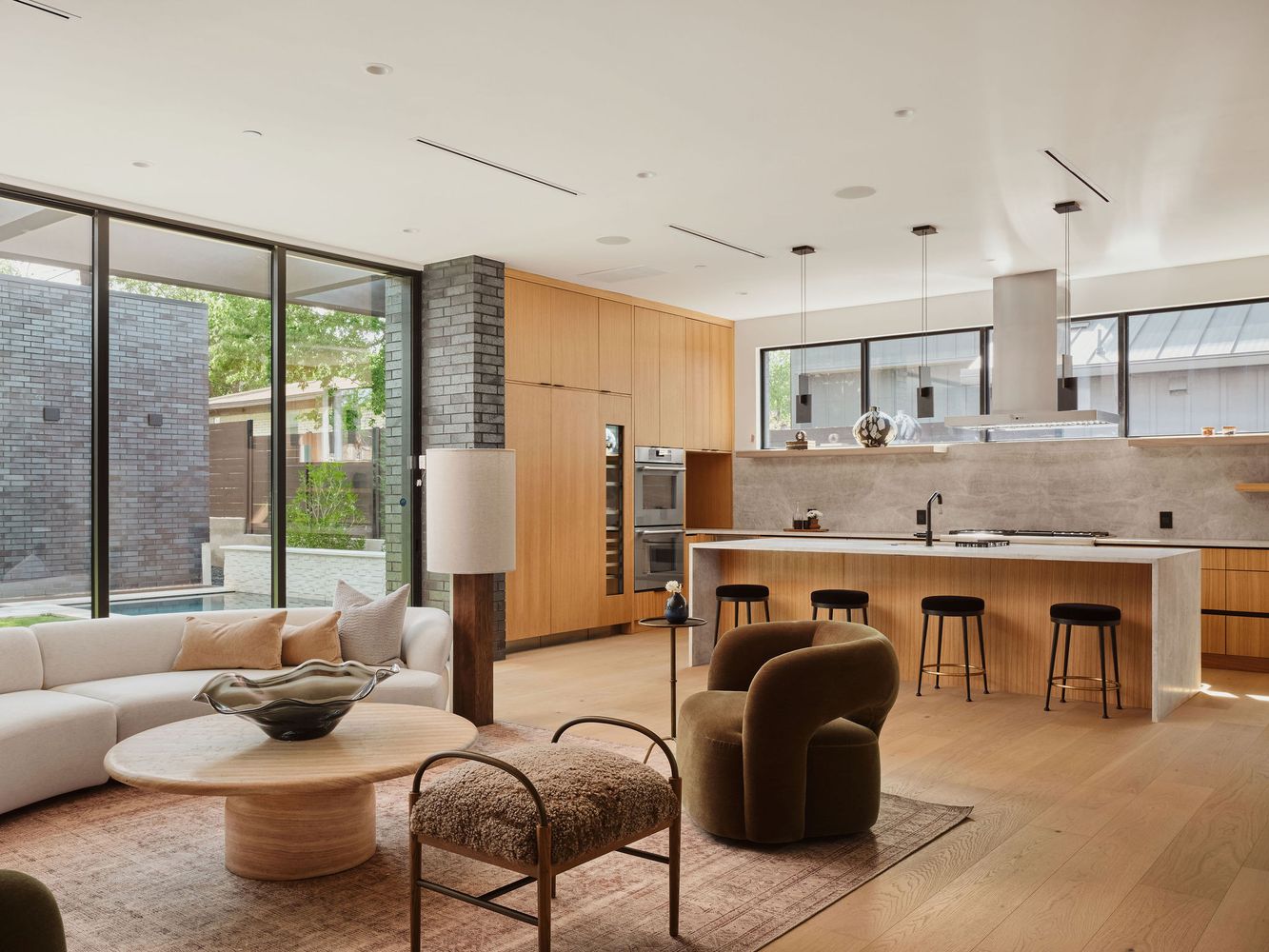
On most central Austin streets with new construction, you can buy a new home or the original house a few doors down, on the same block, with the same trees and the same walk to coffee. The street comes with either one. What you're really choosing is the house: new systems, a current floor plan, and a warranty, against a lower price, a bigger yard, and a house that's already been through 70 summers.
Neither is the right answer for everyone. Here's what each gives you and what each asks of you.
What the new home gives you
Everything is new at once. Roof, foundation, plumbing, wiring, HVAC, water heater, windows, appliances. On an older house those are replaced one at a time, usually when they fail, and the first decade of ownership can be a sequence of five-figure surprises. On a new home they all start at zero together.
It's built to the current code. Austin adopted the 2024 building and energy codes effective July 10, 2025, which means better insulation and air sealing than any older house, electric vehicle charging infrastructure in new construction, and current electrical and plumbing standards throughout. A 1950s house has had most of its systems updated, but rarely all of them, and rarely to the same standard. The City's building technical codes page lists what's in force.
The floor plan is the one people want now. Open kitchen and living, a primary suite with a real closet, a second living space, a dedicated office or flex room, and ceilings higher than eight feet. Older central Austin houses can be opened up, but every wall you move costs money and most of them hold something up.
There's a warranty. New homes typically come with a builder warranty covering workmanship in the first year, systems for longer, and structure for longer still. Our post on warranties and inspections covers what's standard. A resale comes as-is, with whatever the inspection finds.
Lower operating costs. A tighter envelope, efficient HVAC, and new windows usually mean lower utility bills than the original house next door, though how much lower depends on the house and how you live in it.
What the older house gives you
A lower price, usually. On the same street, the original house almost always costs less than the new one. How much less depends on the condition and the lot. That gap is the biggest single argument for resale, and it's a real one.
More yard. A 1950s ranch house sits low and wide on its lot, often with a deep back yard and the original trees. New homes on the same lots are taller and take up more of the ground, and when two or three new homes share one lot, each gets a slice of what used to be one yard.
Room to make it yours over time. An older house lets you spread the spending out. You can live in it as is, then redo the kitchen when you're ready, then add on. With a new home the big decisions are made before you move in.
Character, if that's what you're after. Original hardwood, a brick fireplace, a low roofline that matches the rest of the block. Some buyers want exactly that and would rather fix a 1952 house than live in a 2026 one.
What to weigh
A few questions tend to settle it:
- How long do you plan to stay? The longer you stay, the more the new home's systems and lower maintenance pay back. A short hold favors whichever one you can buy and sell with the least friction.
- How much work do you want? Be honest. Renovating an older house in central Austin means permits, contractors, tree rules, and months of decisions. Some people enjoy it. Many don't.
- What does the lot look like? If the new home is one of two or three on a lot, you may be buying into a small condo regime with a shared driveway. If it's one home on one lot, you own the ground like any other house. That difference matters for yard, privacy, and resale.
- What's the real monthly number? Add taxes, insurance, utilities, and expected repairs to the mortgage for each. New homes carry a higher price and, in year two, a higher tax bill. Older homes carry repair risk. Put both on paper.
- Which one can you actually get? Original houses in good condition on good streets sell fast and often draw several offers. New homes come to market more predictably, and some can be bought before they're finished.
A middle path
Some buyers end up with a third option: a recently built home, three to eight years old, that's past the first-year warranty but still has young systems and a current plan, often at a price between the two. It's worth including in a search on any street where builders have been active for a while.
Whichever way you lean, look at both on the same street before you decide. The street is the constant. The house is the variable, and it's easier to judge the trade when the two are a few doors apart.
See the new homes for sale in central Austin, or join First Look to hear about new homes as soon as we know about them, often before they're listed.