Builders
Selling Your Central Austin House to a Builder: How It Works, Start to Finish
Many of the new homes in central Austin start with an owner selling an older house to a builder. Here's how builders evaluate a lot, how their offers usually work, and what the sale looks like from first call to closing.
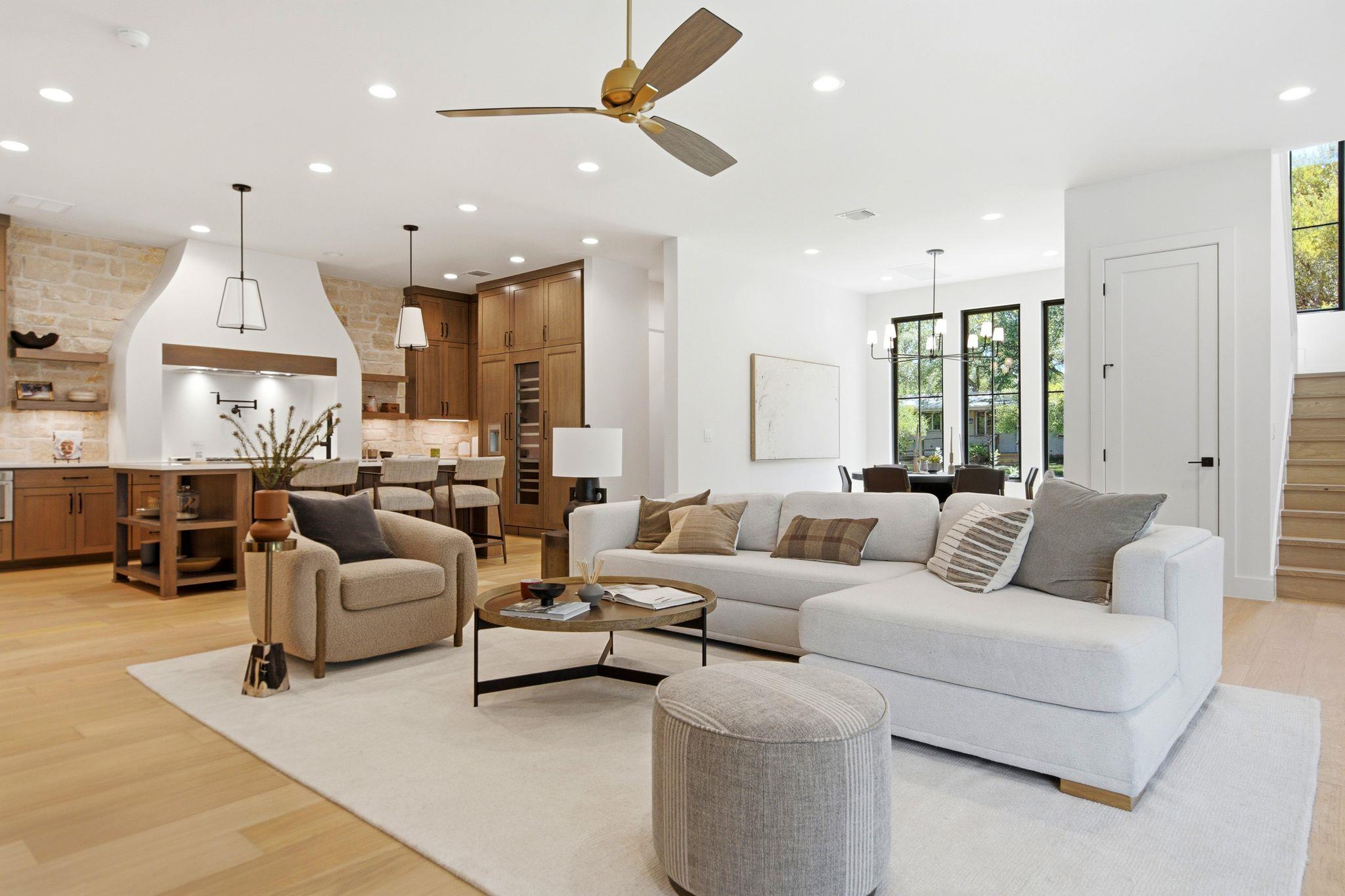
Selling your house to a builder in central Austin usually means selling the lot more than the house. The builder plans to take the existing home down and build new, so the offer is based on what can be built on the land, not on the kitchen or the roof. The sale itself works much like any other, with a contract, a feasibility period, and a closing at a title company, but the builder spends that time studying the lot instead of the house.
Here's how it typically goes, and what to know before you take a call from a builder or reach out to one.
What builders look for in a lot
Builders work backward from what they can build and sell. A few things shape that more than anything else:
- Size and shape. Width matters as much as total square footage, because it decides how a house, or two or three houses, can fit. A deep, narrow lot and a wide, shallow one can be worth very different amounts.
- What the zoning allows. Austin's HOME code changes in 2023 and 2024 allow up to three homes on most single-family lots and lowered the minimum lot size. Deed restrictions and City rules can still limit a specific lot, and builders check both. The City explains the changes on its HOME amendments page.
- Trees. Austin protects trees 19 inches in diameter or larger on residential property, and certain species at 24 inches or more are Heritage trees with added protection. A large tree in the middle of a lot can limit where a house goes.
- Slope, drainage and floodplain. Steep lots and lots near a creek cost more to build on, and floodplain rules can restrict what's allowed.
- Utilities and access. Water and wastewater capacity, alley access, and how the lot meets the street all show up in the builder's math.
How builder offers usually work
Every builder writes offers a little differently, but most share a few features. Many builders pay cash or use their own financing, so there's no buyer's loan approval to wait on. Most buy the house as it is, so you don't need to make repairs, and many will let you leave behind what you don't want to move.
In exchange, builders usually ask for a feasibility period, often longer than a typical option period on a resale, to confirm what they can build. During that time they may order a survey, a tree survey, and check zoning and utilities. Some offers also tie the closing date to when the City releases the demolition permit, which can add time.
Price is the part most owners ask about first, and it depends almost entirely on the lot and the neighborhood. Comparing two builder offers is about more than the number: look at how long the feasibility period runs, how much earnest money goes hard and when, and what the closing date depends on.
The steps from first call to closing
- Interest. A builder contacts you, or you reach out to builders or an agent who works with them. See how we help owners with this on our sell to a builder page.
- Offer and contract. You agree on price, earnest money, the feasibility period, and the closing date.
- Feasibility. The builder studies the lot. If something doesn't work, they can usually end the contract during this window.
- Demolition review. In Austin, residential structures 45 years or older go through review by the City's Historic Preservation Office, and sometimes the Historic Landmark Commission, before a demolition permit is released. Some builders start this before closing; others wait until they own the lot.
- Closing. You close at a title company as you would on any sale, and the builder takes it from there.
Selling to a builder or listing on the open market
Selling straight to a builder isn't the only option. Some owners list the house publicly so every buyer, builders and people who want to live in it alike, can compete for it. Others reach out to several builders at once to see who values the lot most. Which path fits depends on the house, the lot, how quickly you want to move, and how much you want to do before you sell.
It's worth looking at what builders are selling on streets like yours. That's the end product your lot is being priced against. You can see it in the new homes for sale now in central Austin, and read why there are two or three new homes where one house used to be to understand what a builder may be planning. When you're ready to talk about your lot, start with selling to a builder with us.